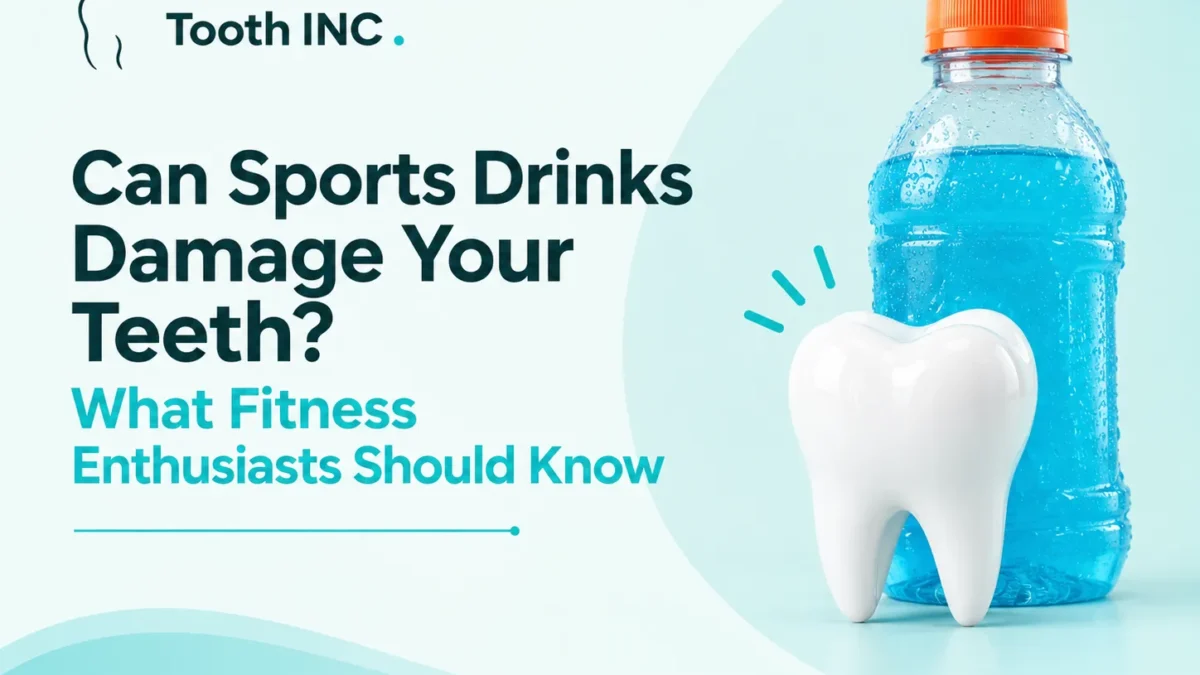
Frequent consumption of commercial hydration beverages accelerates tooth damage through acid demineralization and bacterial fermentation. When evaluating sports drinks and tooth decay, dental research indicates that low pH levels chemically soften outer enamel surfaces while fermentable carbohydrates nourish plaque bacteria. Fitness enthusiasts often reach for colorful electrolyte bottles to restore energy levels during strenuous workouts. However, regular exposure to acidic drinks and teeth compromises tooth hardness, creating long-term structural complications for active individuals throughout Chandigarh and the Tricity area.
Maintaining peak physical conditioning should never come at the expense of your oral health. While these beverages replenish vital sodium, potassium, and carbohydrates lost in heavy sweat, their chemical makeup presents serious risks to teeth. Understanding how sports drinks dental health dynamics function enables athletes to protect their natural smiles without sacrificing workout performance.
At ToothInc in Sector 18-D, Chandigarh, clinical evaluations conducted by Dr. Karan Seth focus on preventive oral wellness, offering athletes personalized protocols to preserve tooth enamel while sustaining demanding fitness routines.
The Biological Link Between Sports Drinks and Tooth Decay
The direct relationship between sports drinks and tooth decay stems from chemical acid dissolution combined with carbohydrate-fueled bacterial fermentation. Acidic drinks reduce the intraoral pH below the critical threshold of 5.5, which softens crystalline hydroxyapatite minerals within enamel and allows cariogenic oral bacteria to produce destructive secondary acids.
Human tooth enamel represents the hardest biological tissue in the body, composed primarily of mineralized calcium hydroxyapatite. In a neutral oral environment, saliva maintains a resting pH balance between 6.7 and 7.3. At this level, salivary calcium and phosphate ions continuously replenish surface minerals. However, when you ingest an acidic fluid, the intraoral environment drops sharply. Demineralization begins the moment the resting oral pH falls below the critical threshold of 5.5.
Commercial athletic beverages routinely record pH readings between 2.7 and 3.4. This acidity level rivals vinegar and commercial soda. As acidic liquid washes across the dental arches, hydrogen ions dissolve calcium and phosphate crystals from outer enamel surfaces. Concurrently, simple sugars present in these formulations—such as high-fructose corn syrup, sucrose, and maltodextrin—feed oral bacteria like Streptococcus mutans. These microbes metabolize simple sugars into lactic acid, creating an acidic assault that triggers deep structural cavities.
Acid Demineralization and Progressive Enamel Erosion
Physical wear and chemical dissolution represent two distinct dental challenges. While physical attrition arises from mechanical grinding, enamel erosion involves the progressive, irreversible chemical loss of dental hard tissue without bacterial involvement. Sports drinks and tooth decay accelerate when recurring acid baths strip protective surface layers faster than natural saliva can neutralize them.
Citric acid, malic acid, and phosphoric acid are common food additives in performance beverages, added to impart tangy flavors and extend commercial shelf life. Citric acid possesses strong chelating properties. This means it binds actively to free salivary calcium ions, locking them away and preventing your natural saliva from rebuilding softened tooth surfaces.
Over months of frequent sipping, this chemical reaction creates progressive structural loss:
- Enamel Thinning and Translucency: The incisal edges of front teeth appear glassy, transparent, and thin as underlying enamel layers dissolve away.
- Dentin Exposure and Discoloration: As the white enamel shell wears thin, the yellowish, softer dentin underneath becomes visible, dulling your natural smile.
- Hypersensitivity Reactions: Exposed dentinal tubules transmit thermal changes directly to the dental pulp nerve, causing sharp twinges when drinking cold water or breathing winter air.
- Incisal Chipping and Micro-Fractures: Weakened enamel margins lack mechanical support, leading to premature micro-fracturing along the biting edges.
Salivary Dynamics and Dehydration During Strenuous Training
Exercise creates physiological conditions that make dental enamel especially vulnerable to acidic fluids. Under resting conditions, unprompted salivary flow continuously cleanses food debris, balances oral acidity through bicarbonate buffers, and deposits defensive minerals onto enamel.
During intense cardiovascular or weightlifting training, sympathetic nervous system activation and fluid loss through sweat dramatically reduce salivary output. Athletes frequently transition to mouth-breathing during hard efforts, which dries mucosal tissues and evaporates the protective salivary pellicle.
When an athlete drinks a low-pH sports beverage while experiencing dry mouth, there is little saliva available to dilute or neutralize the acids. The beverage remains concentrated against the teeth, prolonging acid contact time and accelerating enamel demineralization.
Evaluating Acidity and Sugar in Popular Performance Beverages
Understanding the chemical profile of standard hydration beverages helps athletes make safer choices for their teeth:
| Beverage Classification | Average pH Range | Free Sugar Content | Enamel Demineralization Risk |
| Traditional Sports Drinks | 2.8 – 3.3 | High (12g to 21g per serving) | High (Combines citric acid with fermentable sugars) |
| Sugar-Free Electrolyte Drinks | 3.0 – 3.5 | Minimal to None | Moderate to High (Low pH still dissolves enamel) |
| Pre-Workout Energy Drinks | 2.5 – 3.2 | Moderate to High | Severe (Extreme acidity paired with dehydrating caffeine) |
| Pure Coconut Water | 4.8 – 5.2 | Moderate Natural Sugars | Low to Moderate (Mild acidity close to critical threshold) |
| Neutral Filtered Water | 6.8 – 7.4 | Zero | None (Optimal choice for standard hydration) |
Strategic Hydration Protocols for Fitness Enthusiasts
Athletes do not necessarily have to eliminate electrolytes entirely during intense athletic competitions. However, adopting smart hydration habits dramatically reduces unnecessary acid exposure. For standard workouts lasting under sixty minutes, plain neutral water provides all the hydration needed to sustain peak physiological output.
If you are training through high-heat endurance sessions or multi-hour athletic drills, practical adjustments help protect your teeth:
Continuous sipping across a two-hour workout bathes your dental arches in repeated acid spikes, never giving saliva time to restore a safe pH level. Drinking your electrolyte fluid quickly or using a wide straw directs the liquid past your teeth, limiting surface contact.
Rinsing your mouth thoroughly with clean, plain water immediately after finishing an electrolyte drink helps wash away residual sugars and neutralizes oral acid levels. Chewing sugar-free gum containing xylitol after training stimulates salivary glands, speeding up natural remineralization.
Post-Workout Dental Hygiene Pitfalls to Avoid
A common mistake among health-conscious individuals is brushing their teeth immediately after working out. After drinking an acidic sports drink, the outer enamel layer becomes chemically softened and vulnerable for up to thirty minutes.
Brushing right away acts like fine sandpaper across softened enamel crystals, scrubbing away delicate minerals and speeding up tooth wear. Instead of reaching for a toothbrush right after finishing your drink, wait thirty to forty-five minutes. This gives your saliva enough time to neutralize the acid and redeposit calcium, naturally re-hardening the enamel surface.
Recognizing Early Clinical Indicators of Acid Wear
Detecting acid damage early prevents localized dental erosion from developing into extensive structural decay:
- Shallow Cupping on Chewing Surfaces: Molar crowns may develop small bowl-shaped depressions as protective enamel wears away from the cusps.
- Elevated Composite Fillings: Older dental restorations may begin to look raised or prominent because surrounding natural tooth enamel has eroded away from the margins.
- Persistent Morning Sensitivity: Lingering sensitivity during morning brushing often points to thinned enamel margins that need clinical attention.
- Plaque Accumulation at the Gumline: Softened enamel surfaces create microscopic roughness, allowing bacterial biofilms to attach firmly near the gums.
Maintaining Athletic Oral Wellness
Sustaining a dedicated training regimen requires careful attention to both physical conditioning and preventive oral care. Athletes spending long training hours inside a fitness centre need to pair their workout routines with smart oral hygiene habits. Carrying a secondary bottle of fresh water alongside workout supplements helps protect your teeth during high-intensity training sessions.
At ToothInc, located in Sector 18-D, Chandigarh, Dr. Karan Seth (MDS) provides comprehensive dental examinations designed to safeguard athletic smiles. Using advanced 3D intraoral imaging, the clinic detects microscopic enamel thinning long before visible cavities emerge. ToothInc provides custom mouthguards, remineralizing therapies, and practical nutrition advice tailored to help active individuals protect their teeth while pursuing fitness goals.
Evidence-Based Preventive Treatments for Enamel Protection
When athletic routines require frequent electrolyte consumption, clinical treatments offer valuable supplemental protection against acid wear. In-office fluoride applications deliver high concentrations of neutral sodium fluoride that integrate into surface enamel, creating fluorapatite crystals that resist acid dissolution down to a pH of 4.5.
At-home remineralizing pastes formulated with amorphous calcium phosphate (ACP) or nano-hydroxyapatite help replenish lost minerals. Using remineralizing toothpastes alongside soft-bristled toothbrushes preserves tooth structure and relieves sensitivity, keeping teeth resilient against active physical routines.
Frequently Asked Questions
1. Do sugar-free sports drinks prevent tooth damage?
No. While sugar-free versions prevent bacterial sugar fermentation, they remain highly acidic with pH levels between 3.0 and 3.5. This chemical acidity directly causes enamel demineralization without needing sugar.
2. How quickly do sports drinks begin to soften tooth enamel?
Enamel demineralization starts within three to five minutes of exposure as oral pH drops below 5.5. Repeated sipping across a workout keeps the mouth in an acidic state, speeding up mineral loss.
3. Can enamel lost to sports drink erosion grow back naturally?
No, tooth enamel does not contain living cells and cannot regenerate once completely lost. However, mildly weakened enamel can be remineralized using fluoride varnishes, calcium treatments, and healthy saliva.
4. Why does mouth-breathing during workouts increase the risk of decay?
Mouth-breathing evaporates protective saliva, which normally buffers dietary acids and washes away food particles. Without adequate saliva, acidic drinks linger on teeth and cause faster enamel wear.
5. Is coconut water a safer alternative for dental health during workouts?
Yes, unflavored coconut water has a higher pH (around 5.0) than commercial sports drinks, making it less corrosive to enamel. It still contains natural sugars, so rinsing with water afterward remains recommended.
Protect Your Athletic Smile with ToothInc Chandigarh
Prioritizing your fitness and endurance should support your overall health without sacrificing your smile. Knowing how commercial performance drinks interact with tooth enamel allows you to adjust your workout habits and maintain strong, healthy teeth. Simple adjustments—like choosing plain water for moderate workouts, rinsing after electrolyte drinks, and waiting thirty minutes before brushing—protect your teeth for years to come.
Schedule an oral health and enamel assessment at ToothInc in Sector 18-D, Chandigarh. Our specialist team provides personalized preventive treatments, digital smile evaluations, and practical guidance to keep your teeth strong, functional, and radiant.