

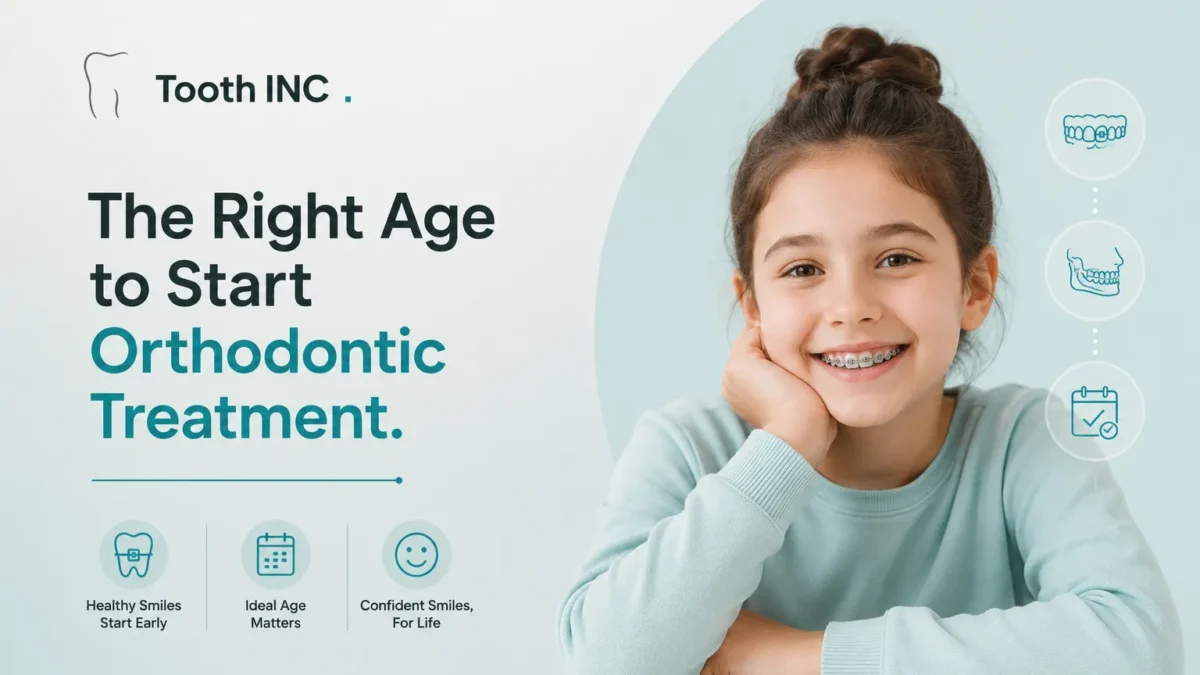
Achieving a healthy, symmetrical smile involves understanding when to begin corrective dental care. Parents and adults across often wonder about the ideal timeline to address crooked teeth, jaw discrepancies, or severe bite misalignments.
Identifying the Best Age for Braces requires assessing jaw growth, tooth eruption, and individual physiological development. While modern appliances deliver outstanding results at almost any life stage, beginning treatment during optimal growth windows simplifies tooth movement and shortens overall clinical treatment time.
The Best Age for Braces and Early Screenings
Determining the Best Age for Braces starts long before permanent brackets or clear aligner trays are fitted onto teeth. International clinical guidelines recommend that every child receive an initial checkup with an orthodontist by age 7.
By age 7, a child’s first adult molars have typically erupted, establishing the back bite relation. An early evaluation allows specialists to spot subtle structural issues while the jaw is still developing rapidly.
Key reasons for an early evaluation include:
- Identifying Jaw Discrepancies: Detecting narrow palates, overbites, underbites, or crossbites before jawbones fuse.
- Monitoring Eruption Space: Ensuring permanent teeth have adequate room to emerge without causing severe crowding.
- Intercepting Oral Habits: Correcting prolonged thumb sucking, tongue thrusting, or chronic mouth breathing early.
- Preventing Tooth Impaction: Guiding adult teeth into proper placement to avoid surgical extractions later.
Early screening does not mean immediate active treatment. In most cases, it simply provides a proactive monitoring roadmap for your child’s growth.
Phase 1: Orthodontic Treatment for Children
When developmental issues are identified during early checkups, Orthodontic Treatment for Children, also known as Phase 1 or interceptive treatment, may begin between ages 7 and 9.
Interceptive treatment takes advantage of an actively growing jawbone. Rather than moving every individual tooth, Phase 1 focuses on creating a balanced structural foundation.
Common interceptive appliances include:
- Palatal Expanders: Gently widen a narrow upper jaw to create natural space for emerging adult teeth.
- Space Maintainers: Reserve open spaces when baby teeth are lost prematurely, preventing neighboring teeth from drifting.
- Functional Appliances: Guide lower jaw growth forward to correct deep overbites without invasive jaw surgery.
- Habit-Breaking Appliances: Help children stop thumb sucking or improper swallowing habits that push front teeth outward.
Starting Phase 1 care reduces the severity of complex misalignments, making future corrective steps much faster and simpler.
Evaluating Braces for Teenagers During Growth Spurt Years
The absolute sweet spot for comprehensive active alignment usually occurs between ages 10 and 14. This age window is widely recognized as the primary timeline for Braces for Teenagers.
During early adolescence, most baby teeth have naturally fallen out, and permanent teeth are fully present. Because teenagers undergo rapid physical growth spurts, bone tissue responds exceptionally well to gentle orthodontic pressure.
Benefits of treatment during teenage years include:
- Optimal Bone Adaptability: Malleable jaw tissue allows faster, highly predictable tooth movement.
- Comprehensive Single-Phase Alignment: Corrects bite function and tooth position simultaneously in 12 to 24 months.
- Versatile Aesthetic Options: Teens can choose between traditional metal brackets, tooth-colored ceramic appliances, or removable clear aligners.
- Enhanced Social Confidence: Straightening teeth during middle or high school helps boost self-esteem during key formative years.
Selecting the best orthodontist in Chandigarh ensures your teenager receives a customized treatment plan tailored to their exact growth phase and daily routine.
Consulting an Orthodontist for Kids Across Life Stages
Deciding when to consult an Orthodontist for Kids depends heavily on recognizing early physical warning signs rather than just tracking age numbers.
Parents should schedule an assessment if they notice any of the following indicators:
- Early or Delayed Loss of Baby Teeth: Losing baby teeth before age 5 or after age 9.
- Difficulty Chewing or Biting: Frequent cheek biting or inability to comfortably bite into foods.
- Protruding Front Teeth: Upper front teeth sticking out noticeably over lower lips.
- Mouth Breathing Habits: Sleeping with an open mouth or snoring regularly.
- Crowded or Overlapping Teeth: Permanent teeth emerging behind or on top of existing teeth.
- Jaw Clicking or Shifting: Jaws that make popping sounds or shift sideways when opening.
Addressing these symptoms early prevents minor structural concerns from turning into severe clinical complications.
Understanding the Best Age for an Orthodontist Visit for Adults
While childhood and teenage years offer rapid growth advantages, there is no upper age limit for achieving a straight smile. Finding the best age for an orthodontist visit simply means taking action whenever you are ready to improve your oral health.
Today, nearly one in four orthodontic patients is an adult. Modern adult treatment focuses on correcting long-standing misalignments, preventing uneven tooth wear, and making home oral hygiene easier.
Key considerations for adult smile alignment include:
- Denser Bone Structure: Because adult jawbones are fully mature, tooth movement takes slightly longer compared to teenagers.
- Discreet Appliance Options: Clear aligners like Invisalign and tooth-colored ceramic braces allow working professionals to align teeth without noticeable wires.
- Improved Periodontal Health: Straightening crowded teeth eliminates tight spaces where plaque accumulates, protecting against gum disease.
- Pre-Restorative Alignment: Aligning teeth before placing dental implants, crowns, or veneers creates ideal spatial conditions for cosmetic dental work.
At ToothInc Dental Clinic in Sector 18, Chandigarh, Dr. Karan Seth and the specialist team provide comprehensive orthodontic evaluations using advanced 3D digital scanners. Patients of all ages receive transparent, evidence-based guidance in a calm, anxiety-free clinic environment.
Start Your Orthodontic Journey at ToothInc
Invest in a healthy, confident smile with specialist-led orthodontic care designed for children, teenagers, and adults alike. Our Chandigarh clinic combines precision digital planning with personalized comfort to make your alignment journey seamless.
Book Your Initial Evaluation Today.
Visit ToothInc Dental Clinic in Chandigarh, or call to schedule your comprehensive 3D digital assessment. Let us help you smile without holding back!
Conclusion
Determining the Best Age for Braces involves evaluating individual growth, tooth development, and bite alignment. While early checkups at age 7 help catch structural issues, ages 10 to 14 remain the most efficient window for comprehensive braces. Thanks to modern clear aligners and ceramic technology, adults can also achieve outstanding results at any stage of life. Consulting a qualified specialist ensures an accurate, timely, and successful smile transformation.
Frequently Asked Questions
What is the Best Age for Braces in children?
The ideal window for full braces is between ages 10 and 14, as most permanent teeth have erupted and natural jaw growth aids rapid tooth movement.
Why should my child visit an orthodontist by age 7?
An age 7 evaluation allows specialists to evaluate jaw growth, detect hidden bite issues early, and prevent severe crowding before all permanent teeth arrive.
Can adults get braces or clear aligners successfully?
Yes, adult teeth can be moved safely at any age provided gums and bone structure are healthy. Clear aligners offer a comfortable, discreet solution for adults.
How long does orthodontic treatment typically take for teenagers?
Treatment duration generally ranges from 12 to 24 months, depending on case complexity, growth rates, and adherence to wear instructions.
What is the difference between Phase 1 and Phase 2 orthodontics?
Phase 1 (ages 7–9) focuses on guiding jaw growth and creating space, while Phase 2 (ages 11–14) aligns permanent teeth into their final positions.